FOLLOW THE LAND
Hiking is rarely about conquering summits; it is about reading topographic architecture, pacing your respiration, respecting fragile ecosystems, and walking out under your own power.
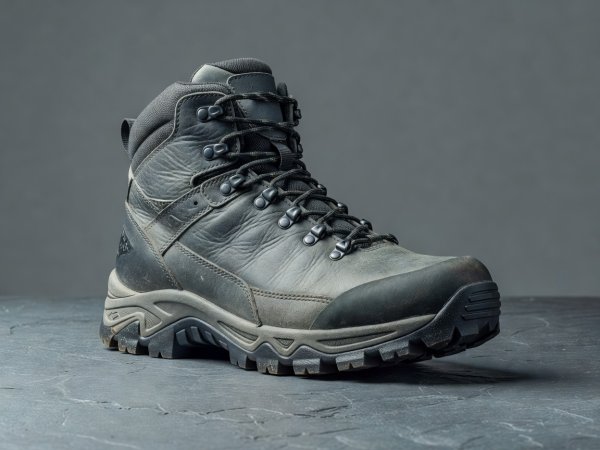
PACING OVER PASSION
Beginner hikers frequently make the mistake of measuring expeditions by horizontal miles rather than vertical elevation change and trail substrate. A three-mile trek across loose talus in Yosemite National Park or up the rocky paths of Mount Washington can demand triple the physiological exertion of six miles along a manicured valley floor.
Pacing is established through rhythmic breathing. If you cannot maintain a steady spoken conversation while walking uphill, your cadence is too fast. Overworking your aerobic threshold early induces muscular fatigue, which leads to missteps, twisted joints, and compromised reaction time when descending later in the afternoon.
THE TEN ESSENTIAL FIELD PROTOCOLS
- Topographic paper map & sighting compass
- Headlamp with fresh auxiliary lithium cells
- UV sunglasses and wide-spectrum sunscreen
- Comprehensive medical kit with blister moleskin
- High-carbon steel field knife and repair tape
- Waterproof matches and windproof strike igniter
- Ultralight emergency thermal bivouac sack
- Non-perishable caloric reserves (extra day)
- Hollow-fiber membrane water filtration device
- Waterproof-breathable three-layer shell garment
LEAVE NO TRACE STEWARDSHIP
The Center for Outdoor Ethics Leave No Trace framework is not a set of legal restrictions; it is an ethical pact between the traveler and wild topography. Stay firmly in the center of muddy paths to avoid widening trails and destroying alpine vegetation. Pack out every scrap of food debris—including fruit rinds that decompose agonizingly slowly in arid or sub-zero environments.
Camp only on durable surfaces at least 200 feet away from pristine lakes and alpine streams to safeguard wildlife watering corridors. Nature leaves its imprint upon you; your duty is to leave no permanent human signature upon it.