FIELD INTRODUCTORY DISPATCH

CHOOSE YOUR NEXT CHALLENGE WITH YOUR EYES OPEN

Outdoor recreation rewards honest self-assessment far more than bravado. Whether you are stepping onto backcountry granite, running your first river eddy, or balancing over exposed singletrack, safety begins when you match your terrain to your preparation.

Render of a precision magnetic expedition compass resting on a dark slate platform
GRID: 46°12'N 121°40'W BEARING: 034° TRUE
01

01 READ THE TERRAIN

Navigating wild corridors demands an understanding of topographic contours, elevation gain, drainage runoffs, and trail surfaces. The Appalachian Trail in North America or the Lake District fells in northern England quickly demonstrate that distance on paper means nothing without calculating vertical relief and footing stability.

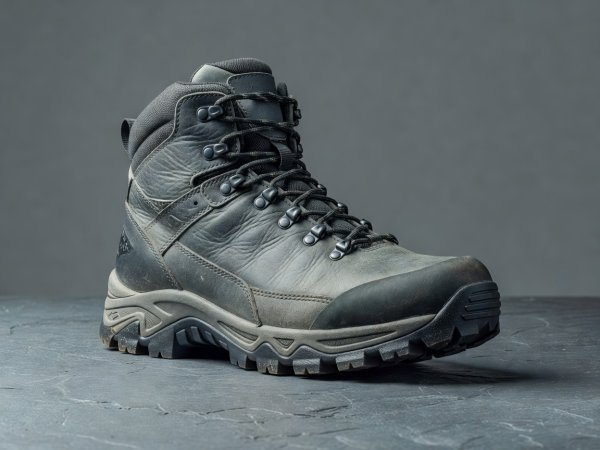
Render of an all-weather mountaineering boot with deep vibram lugs on slate FOOTWEAR & TRAIL

TRAIL BOOTS & CONTOUR READING

Torsional stiffness and deep tread pattern protect ankles across glacial moraines and wet shale. Pair appropriate footwear with physical Ordnance Survey or USGS topographical sheets rather than relying solely on battery-dependent mobile devices.

FIELD GUIDE: HIKING
Render of a baseplate sighting compass with rotating bezel on dark slate ANALOG TOOLS

DECLINATION & NAVIGATION

Magnetic declination alters course trajectory over multi-mile bushwhacks. Learning to take a field bearing, calculate back-bearings, and sight landmarks ensures self-reliance when fog envelopes high ridgelines.

NAVIGATION BASICS
02

02 UNDERSTAND THE CONDITIONS

Decisions in wilderness zones are dictated by barometric trends, solar exposure, wind chill, and rapid diurnal temperature drops. High-altitude environments such as Chamonix Mont-Blanc or the Colorado Rockies see violent thunderstorms gather in minutes.

STEP 01
BAROMETRIC SCAN

Observe cloud ceiling descent and sudden wind shifts before commencing ridge exposure.

STEP 02
THERMAL BUDGET

Synthetics and merino wool insulate when damp; pack rainshells even under clear departures.

STEP 03
TURNAROUND HARDLINE

Establish inflexible turnaround times well before daylight declines or storm clouds consolidate.

STEP 04
RESOURCE BUFFER

Maintain 30 percent reserve water, caloric emergency provisions, and personal emergency bivy gear.

03

03 MEET MOVING WATER

Hydrology creates an unrelenting dynamic environment. From peaceful lake sea kayaking along coastal inlets to Class II river currents, water demands respect for fluid dynamics, hydraulic strainers, and mandatory personal flotation standards.

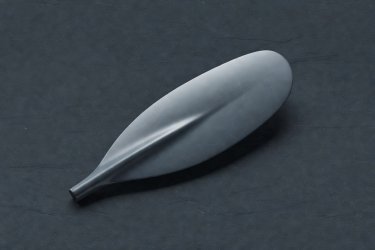
Render of an asymmetrical fiberglass touring paddle blade on dark slate background HYDROLOGY

BLADE ANGLES & CURRENTS

Feathered blades cut wind drag while precise forward sweep strokes rotate the torso to avoid shoulder fatigue. Reading eddies and downstream "V" formations reveals navigable paths through rock gardens.

FIELD GUIDE: PADDLING
04

04 LEARN THE VERTICAL BASICS

Ascending vertical stone requires sober risk mitigation, redundant anchor setups, and standardized communication protocols certified by organizations like the UIAA and American Alpine Club. From Yosemite Valley granite to local limestone bluffs, gravity tolerates no casual shortcuts.

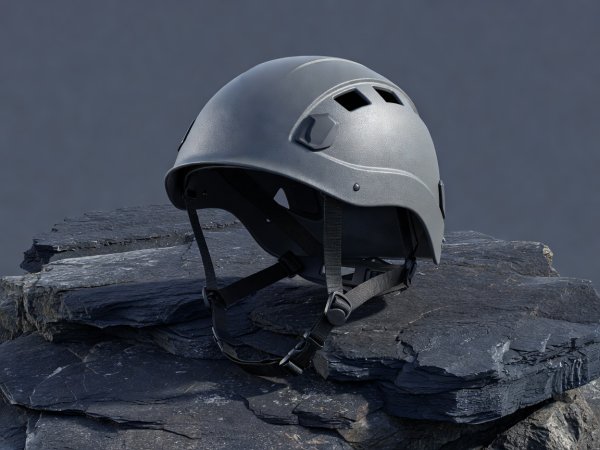
Render of an expanded polypropylene climbing helmet with headlamp clips on slate VERTICAL SAFETY

IMPACT SHIELDING & BELAY

Certified climbing helmets safeguard against rockfall from above and lateral impacts in a swinging fall. Belaying requires methodical brake-hand discipline, verified knots, and partner cross-checks.

FIELD GUIDE: CLIMBING
05

05 HANDLE THE DESCENT

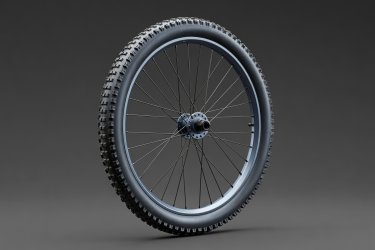
Speed on technical singletrack is earned through balance, brake moderation, and continuous visual scanning. Gravity-fed descents across root webs, loose scree, and berms require low center-of-gravity bike-body separation.

Render of a tubeless mountain bike wheel with aggressive knobby tire profile TRACTION DYNAMICS

BRAKE MODULATION & LINE CHOICE

Relying solely on rear skidding sacrifices control and erodes trails. Balancing front disc modulation with assertive body positioning allows the suspension platform to track uneven contours smoothly.

FIELD GUIDE: BIKING
06

06 ASK BEFORE YOU GO

Self-sufficiency includes knowing when to consult regional rangers, verify permit availability, inspect gear integrity, and review safety guidelines. Explore our compiled field knowledge base or draft an editorial dispatch.