BEFORE THE FIRST HOLD
Vertical climbing is an exercise in mental composure and physical friction. Before your fingers touch the rock face, safety depends on redundant engineering, verified partner communication, and strict attention to gear integrity.
FEET OVER FOREARMS
Novices universally attempt to pull themselves up rock faces using biceps and forearm grip strength. Human legs, however, are infinitely stronger than arms. Efficient climbing relies on pressing your center of gravity inward over your big toes, trusting sticky rubber soles, and using hands merely to maintain balance.
By climbing with straight, extended arms rather than locked-off bent elbows, skeletal structure bears your body weight while your leg muscles push upward from edge to edge. This mechanical efficiency preserves stamina for Crux moves higher on the pitch.
THE MANDATORY FOUR-POINT PARTNER CHECK
- HARNESSES: Double-backed waist buckles, correctly positioned above iliac crests with legs snug.
- TIE-IN KNOT: Retraced Figure-8 knot through both tie-in points with a neat minimum 6-inch stopper tail.
- BELAY DEVICE: Rope routed through device properly, locked carabiner checked via physical squeeze test.
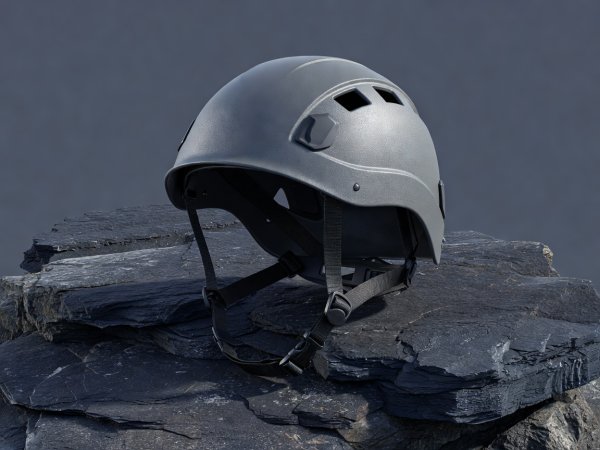
- TERMINAL SYSTEM: Stopper knot at the rope tail end; helmets securely buckled and cinched on both partners.
SYSTEM REDUNDANCY (SERENE / ERNEST)
In vertical environments, single points of catastrophic failure are intolerable. Anchors constructed at top-rope stations or multi-pitch belays must satisfy the SERENE acronym: Solid, Equalized, Redundant, Efficient, No Extension.
| Anchor Criterion | Safety Rationale | Common Field Error |
|---|---|---|
| Solid Points | Each component must independently withstand multi-kilonewton forces. | Relying on loose surface boulders or decaying trees. |
| Equalization | Load is divided evenly among anchor components to minimize point strain. | Unequal sling legs placing 90% load on a single carabiner. |
| Redundancy | If any single piece fails, the system remains fully intact. | Single carabiner or single un-backed cord loop in load chain. |
| No Extension | Component failure does not generate shock-loading drop distance. | Loose webbing tails permitting sudden drop in the master point. |
RESPECT THE CRAG ENVIRONMENT
Climbing crags are delicate cliffside habitats home to nesting raptors, rare lichen species, and fragile sedimentary stone. Chalk accumulation alters rock chemistry and leaves visual scarring; brush your holds cleanly after completing a route. Keep all belongings confined to marked staging areas beneath routes to avoid trail erosion.
Qualified outdoor instruction from certified AMGA (American Mountain Guides Association) or Mountain Training UK guides provides real-time supervision that no written guide can replace. Learn under verified mentorship before constructing your own anchors.